The Evolution of an Ecosystem: A Rapidly Developing Technological Revolution

The Evolution of an Ecosystem: A Rapidly Developing Technological Revolution

Evolution is fundamental to everything on our planet, whether living or non-living. In my lifetime, technology has been one of the fastest-changing fields. We’ve seen more technological advances in the past century than in all previous centuries combined, and this pace of change continues. Undoubtedly, this has led to a faster, more convenient, and to some extent, comfortable way of life. The one constant that remains, however, is the enduring presence of oligarchic monopolies, still exerting their influence, but for how long?

When used rightly for human progress, digital technology stems from divine inspiration and can serve as a powerful, positive force. Nonetheless, it has also been exploited for malicious purposes driven by greed, desire for power, and control. As with everything, technology must adapt and evolve to stay relevant. The issues arising from current technologies motivate the creation of new, opposing solutions.

Technological innovation, notably since the advent of the Internet, has profoundly reshaped our world. Early pioneers included Yahoo (1994), a comprehensive web portal that offered search, email, and financial news, dominating the nascent digital landscape as a primary gateway, before partnering with Google. Markethive, then known as Veretekk, emerged as an automated marketing platform in 1998, introducing email autoresponders and SaaS tools to the growing digital marketing sector.   

The mid-2000s saw the emergence of MySpace (2005), which tapped into human connection and self-expression, quickly becoming a global social networking phenomenon and surpassing giants like Yahoo and even Google by 2006  in terms of unique visitors. Yet, MySpace's reign, while impactful, was relatively brief. By 2009, a newer, even more expansive social network, Facebook, had globally eclipsed MySpace.

Facebook (launched in 2004) succeeded due to a cleaner interface, robust features, and aggressive international expansion, ultimately redefining online social interaction. This continuous cycle of innovation, disruption, and re-invention remains a defining and exhilarating characteristic of the technology sector, where yesterday's giants can quickly become tomorrow's footnotes, and new paradigms are constantly being forged.

Falling From Grace

In a rapidly changing global environment, organizations that become complacent or adopt a "too big to fail" mindset risk falling behind. Constant innovation through ongoing research and development is crucial for maintaining a leading edge in any sector. This dedication to continuous growth enables a company to remain flexible, responsive, and relevant in the face of evolving market needs and disruptive innovations.

Beyond strategic and operational goals, a company's core values, strong ethical standards, and a well-defined higher purpose are crucial. This is especially important in today's complex and often turbulent global environment. With rising social awareness, environmental concerns, and geopolitical tensions, stakeholders, encompassing employees, customers, investors, and the broader community, are now more focused not only on what companies do but also on how and why they do it.

Despite their current market dominance, tech giants such as Amazon, Microsoft, Google, and Facebook must continually evolve and improve their technology to maintain their position. Staying at the top is not automatic or without cost; significant investment in technological development and marketing is required to retain users.

While this may seem achievable for these companies, a deeper question arises regarding their underlying agendas and motivations. Can, or will, these conglomerates evolve spiritually and humanistically, or have they succumbed to an "ego trap" that provides a false sense of security? Their long-term survival might depend on their ability to adapt to a world of increasingly enlightened human beings.

History shows that competitors can, to some extent, surpass large organizations. Now, it is more important than ever for people to feel safe, secure, and protected from the violations that have become so common online. Evolution at every level is essential for survival in the digital world. Evolution is not static; it is a dynamic process. 

Evolution or Revolution

Evolution in technology has accelerated into a profound revolution, resulting in a struggle between opposing forces. On one side, there is the potential for great good, driven by innovation that aims to uplift, connect, and address humanity's most urgent issues. This technology is born of humility, recognizing its role as a tool for improvement and shared progress. On the other side, the shadow of evil exists, where technological power is used for control, division, and self-interest, often fueled by unchecked ego and a desire for dominance.

In earlier times, simply possessing advanced technology might have been enough to assert power and maintain control. Military strength, industrial productivity, or sophisticated communication systems often determined global influence. However, today's world demands a much more subtle approach. The landscape has shifted significantly; information is everywhere, interconnectedness is a given, and the ethical implications of technological progress are increasingly scrutinized.

The dawn of the third millennium, in particular, marks a significant evolution of the human spirit. As our abilities proliferate, so must our sense of responsibility. This new era requires a fundamental change in what motivates those leading technological advancements. Future tech leaders can no longer be motivated solely by profit, market share, or personal gain. Instead, their choices and innovations must be based on truly altruistic motives. 

This means focusing on the well-being of humanity, the sustainability of the planet, and the fair distribution of technological benefits. It involves a commitment to using power for the collective good, promoting collaboration over competition, and ensuring that technological progress benefits everyone, not just a select few. The ongoing struggle between good and evil, humility and ego, will ultimately influence the direction of this technological revolution and, in turn, the future of our civilization.

The current landscape of social, digital, and marketing platforms poses a significant challenge. Although they have established themselves as leaders worldwide, there is increasing concern that they are falling short in many areas. Several efforts have been made to create alternatives to the tech giants that currently dominate the online world. We are now witnessing a balkanization with many linear platforms and a rise of a parallel economy

This raises essential questions about the future sustainability and adaptability of Big Tech. The core challenge lies in their ability to evolve. Can these monolithic platforms, built on centralized architectures and established business models, truly embrace and integrate emerging technologies? Or are they too entrenched in their existing structures to adopt disruptive innovations like decentralized blockchain?

Users often raise concerns about data privacy, algorithmic bias, inconsistencies in content moderation, and the widespread influence of advertising. From a creator's perspective, issues like revenue sharing, content ownership, and the lack of transparency in platform policies are common points of contention. For marketers, rising costs of acquisition, ad fraud, and restrictions on targeted advertising within walled gardens are increasing frustrations.

Decentralized blockchain technology introduces a fundamentally different approach. It offers increased transparency, greater user control over data, immutable records, and the possibility of new economic systems that could distribute value more fairly among participants. The challenge lies in whether current platforms can adapt to this decentralized future without jeopardizing their existing foundations. Currently, their business models rely heavily on data collection, centralized oversight, and proprietary algorithms – all of which contradict the core principles of blockchain.

The alternative scenario is that these platforms, despite their current dominance, may find themselves outmaneuvered by new entrants who are building natively on decentralized principles. Just as the internet disrupted traditional media, and social media disrupted early internet portals, a new wave of decentralized platforms could emerge that better address the evolving needs and expectations of users, creators, and businesses alike.

Ecosystems Are Evolutionary

Evolution is a natural and vital process, and this principle also applies to digital media. Just as the planet is a complete and interconnected ecosystem, we are now experiencing ecosystems within technology. This represents an evolution in itself and is necessary for a platform to be sustainable. Blockchain and cryptocurrency technology have enabled innovative companies and platforms to build systems from the ground up, addressing many of the controversial issues currently affecting social and digital media. 

At the forefront of this digital revolution is Markethive, a pioneering and comprehensive ecosystem carefully designed to empower online users across many fields. Whether an individual explores the digital world mainly for social interaction, professional networking, inbound marketing, business ventures, artistic expression, or entrepreneurship, Markethive offers an unmatched platform. 

It is based on the core idea that every person in their extensive network should be financially, professionally, and personally empowered, creating an environment where growth and self-fulfillment are natural results. This all-in-one approach makes Markethive unique, turning the traditional online experience into a dynamic and rewarding journey for all its members.

Markethive, the Social Market Broadcasting Network, stands out as a leading, ever-evolving platform. By utilizing blockchain technology, it has pioneered the first fully decentralized market network. This innovative approach offers a much-needed refuge from the internet chaos we have experienced, providing creative solutions and embodying humanitarian values that surpass those of older technologies and systems.
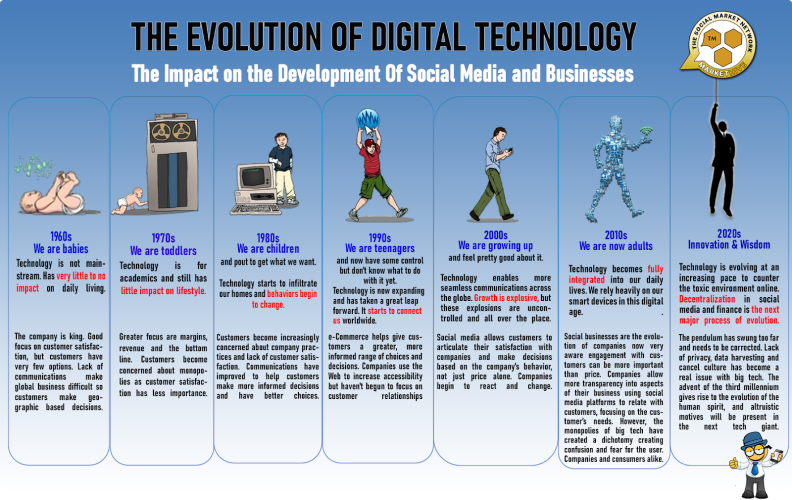
The Evolution of Decentralization 

Blockchain is the Technology; Decentralization is the Movement.

Blockchain, at its core, is a revolutionary technology that enables the creation of distributed, immutable ledgers. It is a system of recording information in a way that makes it difficult or impossible to change, hack, or cheat the system. This technology underpins cryptocurrencies, but its applications extend far beyond digital money.

However, blockchain is more than just a technological innovation; it is the fundamental building block of a broader societal shift: decentralization. Decentralization is a movement that seeks to distribute power and control away from centralized authorities. In the context of blockchain, this means moving away from centralized entities, such as banks, governments, or large corporations, and towards a system where control is distributed among a network of participants.

The evolution of decentralization is key to understanding the long-term impact of blockchain. Initially, decentralization was about creating systems that could operate without a single point of failure. Over time, it has evolved to encompass concepts like transparency, censorship resistance, and actual ownership of digital assets. This ongoing evolution is crucial, as it addresses key concerns of trust, security, and fairness in the digital world. As the quality of decentralization improves, so too does the potential for blockchain to disrupt traditional industries and create entirely new paradigms for how we interact, transact, and govern ourselves.

The Evolutionary Imperative of Cryptocurrency

Cryptocurrency technology faces a critical juncture in its journey toward becoming a truly viable and pervasive alternative to traditional banking. Its future hinges on a continuous and accelerated evolution across several pivotal domains: scalability, transaction speed, security, and user accessibility. 

  • Scalability: Processing billions of transactions daily requires immense throughput, addressed by sharding, Layer-2 protocols, and new consensus mechanisms to rival global payment networks.
  • Transaction Speed: Near-instantaneous transactions are crucial. This demands faster block confirmations and network optimization for quick, final validations.
  • Security: Robust cryptographic protocols, resilient networks, and secure wallet technologies are paramount to prevent fraud and cyberattacks, building user trust.
  • User Accessibility: Simplifying the complex user experience, including private keys, fees, and wallet options, is essential for mass adoption, aiming for ease of use comparable to credit cards or mobile payment apps.

Over the last three years, both Bitcoin and Ethereum have undergone significant technological evolution, changes in market dynamics, and increased adoption. These developments have shaped their roles in the broader cryptocurrency ecosystem and influenced their respective trajectories, albeit on distinct yet complementary paths.  

Bitcoin has evolved into a global financial asset, serving as a reliable store of value and inflation hedge due to several factors. Its digital scarcity, capped at 21 million coins, mirrors precious metals. The growing institutional adoption, including that of major financial institutions and nations, validates its potential for long-term growth. 

Technological advancements, such as the Lightning Network, are improving scalability and transaction speeds, making it more practical for everyday use. Its deflationary nature, with a fixed supply and halving events, offers a strong hedge against inflation in an uncertain economic landscape. Ultimately, Bitcoin's increasing acceptance, innovation, and scarce design solidify its role as a fundamental part of diversified investment strategies.

Ethereum, since its creation, has undergone significant evolution, transforming into a strong and adaptable platform that leads the decentralized revolution. Its main strength is its ability to support decentralized applications (dApps) and self-executing smart contracts, which are key to a new era of digital interaction and finance. The platform's development has included several necessary upgrades aimed at overcoming its initial issues with scalability and sustainability. These improvements, such as the transition to Proof-of-Stake consensus with "The Merge," have significantly reduced its energy consumption and paved the way for future scaling solutions, including sharding.

Ethereum and other top cryptocurrencies continue to shape the future of digital finance. Their distinct features and diverse use cases are vital for promoting wider adoption of blockchain technology across various sectors. Ethereum, emphasizing programmability and supported by an active developer community, leads innovations in decentralized finance (DeFi), non-fungible tokens (NFTs), and Web3 applications. This ongoing progress, driven by increased institutional interest and clearer regulations, is steadily integrating blockchain into mainstream financial systems and everyday life, marking a significant transformation in how value is exchanged, stored, and managed globally.
Other notable cryptocurrencies include Solana, Cardano, and Elrond. All have made progress in their respective fields; however, their paths have diverged in terms of adoption and market performance. 

Solana has quickly emerged as a leading force in scalable blockchain solutions, distinguishing itself through its innovative technological advancements and strategic partnerships. A key part of its rapid growth is its seamless integration with Bitcoin, which enhances interoperability and boosts the utility of both ecosystems. This integration not only enables cross-chain transactions but also leverages Bitcoin's proven security and liquidity, making Solana a more appealing platform for a broader range of decentralized applications.

Besides Bitcoin integration, Solana has a strong and expanding Decentralized Finance (DeFi) ecosystem with various protocols like DEXs, lending platforms, and stablecoins. Its fast transaction speeds, low fees, and innovative architecture (Proof-of-History and Proof-of-Stake) offer significant benefits for DeFi users and developers, ensuring efficient and affordable participation in the decentralized economy. The network's rapid growth in unique addresses and total value locked demonstrates its commitment to building a vibrant financial landscape, making Solana a leading player in blockchain and decentralized finance.

Cardano has consistently emphasized the development of its smart contract capabilities and the expansion of its decentralized application (dApp) ecosystem. Despite its robust research-driven approach and a dedicated community, it has struggled to achieve significant price momentum comparable to some of its rivals. This could be attributed to several factors, including the longer development cycles inherent in its peer-reviewed methodology and the challenge of attracting a broader developer base amidst stiff competition.

Elrond, now known as MultiversX, has a solid technical foundation with its highly scalable sharding system and adaptive state sharding. Although it is technologically advanced and offers impressive transaction speeds, it has not consistently attracted the same market attention or experienced the rapid growth seen in other blockchain projects. This could be due to a less aggressive marketing approach or the difficulty of standing out in a crowded, fast-changing blockchain environment, despite its innovative scalability and transaction processing methods.

Binance has undergone significant evolution over the past three years, marked by substantial growth in its services, strategic product expansions, and increased focus on compliance and user-centric offerings. The company has expanded its ecosystem to encompass a diverse range of financial products, including crypto payments, peer-to-peer (P2P) trading, and earning platforms. It has also made significant strides in the Web3 space, introducing features like Binance Square and enhancing its compliance and regulatory efforts.

The Elegance of Evolution 

Technological evolution primarily showcases innovative ideas and creative visions rooted in a profound, often Divine, consciousness. This natural pursuit of progress is not random; it is a deliberate effort to significantly improve the current state of affairs. Its main aim is to elevate and enrich human life in all areas, covering basic needs and reaching for higher aspirations. This ongoing progress seeks to boost well-being, efficiency, connectivity, and understanding globally, continually pushing the boundaries of what can be achieved and shaping a future where human potential is fully realized.

Being the first to enter a market doesn't guarantee ongoing leadership or even the best choice. Sustainable success often belongs to strategic followers who learn from predecessors' mistakes, anticipate market changes, and provide refined solutions. Beyond strategy, a strong culture of goodwill, centered on ethical practices, fair dealings, and community engagement, builds trust and loyalty. Ultimately, successful companies blend strategic vision, ongoing learning, and a culture of goodwill, resulting in both financial gains and a positive societal impact.

As previously mentioned, this era emphasizes humanitarian and spiritual values. Unlike the industrial age, the focus is not just on business and profit but on the comprehensive and unified growth and well-being of the community as a whole. This involves looking beyond individual economic achievement to consider the broader effects on society. It includes not only financial success but also the emotional, social, and spiritual health of individuals and groups.

At its core, this era is devoted to spreading light, love, and peace. "Light" can be seen as a growth in knowledge, understanding, and transparency that dispels ignorance and fear, promoting a more enlightened perspective. "Love" urges greater compassion, empathy, and interconnectedness among all people. "Peace" involves actively resolving conflicts, fostering harmony, and creating environments where everyone can thrive. This shared aspiration for a more compassionate and enlightened world shapes the outlook for current and future generations.

Markethive and Markethive Media, an international company that represents everyone, will play a prominent role in the re-invention of the social media and marketing space to preserve and nurture the entrepreneurial spirit. It’s empowering the community by integrating Blockchain and cryptocurrency in a decentralized environment. Markethive has no agenda, and its heart and soul are freedom, liberty, financial sovereignty, and entrepreneurialism. 
 

Editor in Chief Markethive: Deb Williams. (Australia) I thrive on progress and champion freedom of speech.  I embrace "Change" with a passion, and my purpose in life is to enlighten people to accept and move forward with enthusiasm. Find me at my Markethive Profile Page | My Twitter Account | and my LinkedIn Profile.


Markethive: Championing the Legacy of Great Spirits and Amplifying Your Voice for Empowerment

Markethive: Championing the Legacy of Great Spirits and Amplifying Your Voice for Empowerment

Markethive serves as a guiding light, committed to honoring the lasting legacy of remarkable individuals who have influenced our world. We hold that the wisdom, courage, and innovation of all "great spirits" should not be lost to history but should continue to inspire and lead future generations. Markethive’s mission is to actively build a future where every voice is heard, every spirit is elevated, and every individual is empowered to make their mark.

The quote, “Great spirits have always encountered violent opposition from mediocre minds,” is attributed to Albert Einstein, a German physicist and Nobel laureate widely regarded as one of the most influential scientists in history. He wrote it on March 19, 1940, in a letter to Morris Raphael Cohen, a philosophy professor at the City College of New York. The letter was written to defend the appointment of Bertrand Russell, a British philosopher, mathematician, historian, and social critic, to a teaching position. Russell supported freedom of opinion and opposed both censorship and indoctrination.
 
The quote itself implies that people with extraordinary talent, foresight, and groundbreaking ideas frequently face intense resistance from those who do not possess the same intellectual capacity or vision. This opposition can take many forms, including criticism, doubt, and even outright animosity.

Einstein's quote highlights a typical pattern in history: influential individuals often encounter resistance from those with limited abilities or narrow perspectives. "Great spirits" are marked by exceptional intelligence, originality, and the courage to defy conventional thinking. They introduce groundbreaking ideas, make significant contributions to their fields, and often propel society forward through their visionary insights. These pioneers and visionaries look beyond the immediate horizon, creating ideas that challenge existing norms and may initially unsettle the familiar and comfortable.

These remarkable individuals act as catalysts for progress. They introduce innovative ideas, theories, and inventions that fundamentally transform their respective fields, whether in science, art, philosophy, or social thought. Their contributions are not just incremental but revolutionary, serving as key forces that drive humanity forward through their bold thinking and decisive actions. Their influence often spans generations, laying the foundation for future advancements and inspiring new waves of innovation.

Conversely, "mediocre minds" describe people often hindered by a lack of originality, resistance to open-mindedness, or an inability to grasp the profound influence of great ideas championed by these great spirits. Their skepticism usually stems from fear of the unknown, attachment to familiar paradigms, or intellectual rigidity, leading to dismissiveness, ridicule, or obstruction. This creates hostility that true genius must navigate. Einstein recognized this conflict between innovative vision and conservative inertia as a recurring challenge to human progress.

The “Herd Mentality”

The "herd mentality" often emerges when discussing the opposition that great spirits face from mediocre minds. This concept suggests that individuals in a group tend to adopt the majority's collective mindset, mainly to avoid criticism or ostracism. Essentially, people conform to societal norms, which can hinder the progress of great spirits.

The natural human desire for acceptance and belonging underpins herd mentality. Since our earliest ancestors, conformity has been crucial for survival, helping individuals integrate smoothly into social groups. This evolutionary need for cohesion encouraged cooperation, resource sharing, and collective defense against external threats, ensuring the group's survival. Additionally, hierarchical structures diminish individual critical thinking, reinforcing the need to conform to societal expectations.   

This deeply ingrained tendency now reveals a significant drawback in modern society: it can block personal growth, stifle creativity, and hinder intellectual progress. When individuals prioritize fitting in over independent thinking, dissenting views are dismissed, innovative ideas are overlooked, and critical thinking is sidelined. The urge to conform promotes a uniform mindset, where new ideas are met with suspicion rather than seen as opportunities for growth. Such environments can significantly hinder groundbreaking discoveries, artistic expression, and genuine personal growth, ultimately limiting both individual potential and societal progress.

Einstein’s quote serves as a reminder that extraordinary spirits should never be discouraged by opposition and criticism. Great spirits, individuals whose brilliance shines with an unconventional glow, are almost always met with fierce opposition from mediocre minds. This resistance is not a sign of the visionary's failings, but rather a reflection of the discomfort that conventional thinking experiences when faced with true innovation. Ironically, this very friction and opposition drive human progress forward. Without challenging established norms and pushing back against the status quo, society would remain stagnant, stuck in the familiar and uninspired.

In conclusion, Albert Einstein's quote, "Great spirits have always encountered violent opposition from mediocre minds," highlights the challenges faced by exceptional individuals when their innovative ideas clash with the conformity of the masses. This quote highlights the impact of the herd mentality in hindering progress and stifling societal advancement. By understanding the dynamics between great spirits and mediocre minds, we can appreciate the importance of pushing against resistance and embracing originality to create a better future for all.

At the very heart of Markethive's innovative and groundbreaking endeavors lies a profound and resonant connection to the enduring wisdom of Einstein's quote of “great spirits”. This intrinsic link is not merely a philosophical underpinning but a tangible force, particularly evident among Markethive's visionary founders. These individuals, driven by an unyielding belief in a higher purpose, have meticulously woven this wisdom into the very fabric of the platform's development and mission.

Furthermore, this strong connection extends to the dedicated group of pioneering entrepreneurs who form the core of what they believe is a "divinely-inspired project to create an empowering decentralized market network." These individuals are a collective of like-minded spirits, united by a shared vision that goes beyond conventional commercial goals. 

Their collaborative spirit and unwavering dedication are deeply grounded in principles of integrity, foresight, and a profound understanding of universal truths, reflecting the very essence of the "great spirits" that inspire them. Together, this synergistic alliance of founders and core entrepreneurs works to create a platform that is not only technologically advanced but also ethically sound, spiritually aligned, and ultimately transformative for its users.

Markethive Amplifies the Singular Voice

In an era where institutional power often feels overwhelming, a single voice, backed by a strong platform, can transcend traditional hierarchies and spark meaningful change. This captures the essence of personal influence, a force driven purely by conviction. At its core, this is the revolutionary spirit of Markethive.

Markethive is more than a platform; it's a carefully crafted ecosystem designed to help individuals develop and amplify their unique voice. It recognizes that actual influence isn't about following traditional norms or pleasing gatekeepers, but about genuine expression and establishing direct connections. By offering users unparalleled access to their audience, Markethive breaks down the conventional barriers that typically hinder independent voices.

Imagine a world where your message, free from corporate agendas or algorithmic biases, reaches those who genuinely want to hear it. Markethive offers this promise. It frees creators, entrepreneurs, and thought leaders from traditional power constraints, enabling them to forge authentic connections and build communities based on shared values.

The influence cultivated on Markethive is more than just a passing trend; it's a potent, enduring force. It goes beyond the shallow influence of traditional elites and transcends the calculated algorithms of artificial intelligence. While AI can analyze data and optimize delivery, it cannot replicate the raw, human passion that drives genuine influence. It also cannot build the deep trust that comes from honest and unfiltered direct communication.

Markethive champions the idea that true power resides not in centralized control but in the distributed network of individual voices, each contributing to a collective tapestry of ideas and innovation. It underscores the idea that a well-supported person, armed with conviction and a direct line to their audience, can achieve more meaningful and lasting impact than any monolithic institution. In this landscape, personal influence, backed by a supportive community and unfettered access, becomes the most formidable power of all.

Today's most visionary founders and leaders must keenly perceive and embrace this profound paradigm shift, or face the inevitable consequence of being rendered obsolete in an increasingly interconnected world.

Consider, for instance, the profound impact of figures like Donald Trump, whose personal platform demonstrates this principle in action. By circumventing traditional media gatekeepers, he gains unadulterated access to his audience, enabling him to:

  • Instantly Shift Markets: A single statement can send ripples through global financial markets, impacting valuations and investor sentiment.
  • Share Insights on Demand: Complex ideas and perspectives can be disseminated without delay or editorial filtering, directly engaging with the intended recipients.
  • Prompt Direct Responses from Stakeholders: Direct communication fosters immediate feedback and engagement from crucial parties, leading to more dynamic and responsive interactions.

In today's business and communication landscape, the concept of influence has evolved into an undeniable and expansive reality. This shift transcends simple persuasion, moving towards a dynamic where authentic connection and impactful messaging are paramount. It is within this profound paradigm that Markethive positions itself as a revolutionary platform, where your voice, backed by a powerful community, can truly resonate and effect meaningful change.
 

Editor in Chief Markethive: Deb Williams. (Australia) I thrive on progress and champion freedom of speech.  I embrace "Change" with a passion, and my purpose in life is to enlighten people to accept and move forward with enthusiasm. Find me at my Markethive Profile Page | My Twitter Account | and my LinkedIn Profile.


Markethive’s Subscriptions and Services Revenue An Economic Philosophy Designed to Empower Entrepreneurs

Markethive’s Subscriptions and Services Revenue. An Economic Philosophy Designed to Empower Entrepreneurs 

Markethive is dedicated to fostering a robust and sustainable economic ecosystem. This commitment is underpinned by a strategic framework centered on three core pillars: diversifying revenue streams, maintaining an unwavering focus on generating tangible, real-world value, and seamlessly integrating cutting-edge blockchain technology and crypto into its fundamental business operations.

Markethive’s economic philosophy is meticulously designed to empower entrepreneurs by offering a robust and diversified revenue model that underpins a stable and predictable financial foundation. This approach serves as a strategic countermeasure to the inherent volatility often observed in the cryptocurrency market, ensuring Markethive’s long-term sustainability and the uninterrupted provision of valuable services to its entrepreneurial community.

Markethive’s strategic approach to generating revenue is multifaceted and based on integrating several proven revenue streams that collectively create a stable and predictable economic model. Central to Markethive’s financial stability are its subscription services.

These services offer users tiered access to a comprehensive suite of tools and resources, ranging from basic functionalities to advanced features. The recurring nature of subscription revenue provides a consistent income stream, allowing for long-term planning and investment in platform development. By offering various subscription levels, Markethive caters to a diverse user base, from individual entrepreneurs to established businesses, ensuring broad appeal and sustained engagement.

In addition to subscriptions, Markethive leverages its core offerings of marketing and broadcasting services as significant revenue drivers. These services enable users to effectively promote their products and services, reach a wider audience, and establish their brand. This includes features such as targeted advertising campaigns, content syndication, and live broadcasting capabilities. The demand for effective marketing and broadcasting solutions within the entrepreneurial ecosystem ensures a continuous need for these services, further solidifying Markethive’s revenue base.

Furthermore, Markethive incorporates premium feature upgrades as a key component of its revenue strategy. These upgrades allow users to unlock enhanced functionalities, exclusive tools, and advanced analytics, providing additional value beyond the standard subscription offerings. 

Although Markethive utilizes blockchain technologies in its operations, its financial stability does not depend solely on the performance of cryptocurrencies. By establishing steady and predictable revenue streams, such as subscriptions, marketing services, and premium upgrades, Markethive shields itself from the volatile nature of digital asset markets, thereby maintaining ongoing operations and growth, regardless of market slumps. This diversified strategy underscores Markethive’s commitment to long-term stability and its ability to provide entrepreneurs with a trustworthy and resilient platform.

At the same time, Markethive’s native crypto token, Hivecoin, and its inherent value are closely linked to the real economic activity and value creation happening within the platform itself. It creates a strong economic engine where Hivecoin serves as the primary medium of exchange, offering discounts when used to purchase Markethive services, which encourages a steady flow of value and activity. 

Additionally, by designing its platform to motivate and reward genuine entrepreneurial efforts and community involvement, every transaction, successful campaign, and valuable content shared by members directly contributes to the platform's revenue, which in turn boosts the utility and demand for Hivecoin. 

As a result, the platform's operational stability and growth are protected, allowing for ongoing investment in new technology, community projects, and service enhancements, regardless of short-term market fluctuations. This careful blend of traditional and innovative approaches enables Markethive to create a safer and more dependable environment for its users while generating revenue for its Entrepreneur One stakeholders, which involves 25% of Markethive’s net revenue being paid out monthly through the Incentivized Loan Procurement (ILP).  

Retail Subscriptions Revenue

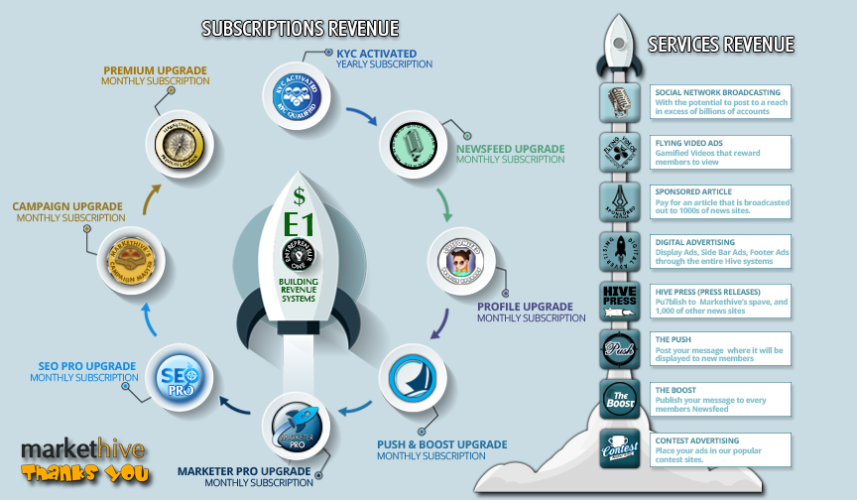
The core of Markethive’s financial stability lies in its incorporation of multiple proven revenue streams. A cornerstone of recurring revenue, subscription models provide a consistent and predictable income stream. These services offer access to a suite of essential tools and features, encouraging user loyalty and engagement. The tiered nature of subscriptions allows for scalability, catering to the varying needs and growth stages of individual entrepreneurs. These include:

  • Free Bee: Markethive offers a free membership that grants access to the main newsfeed, allowing you to explore the platform and its features. However, some actions, such as posting and commenting on the news feed and publishing and commenting on blogs, are limited. Additionally, creating a bio on your profile page requires an upgrade.
  • KEY Activation: This subscription serves as the KYC protocol, offering several benefits, including airdrops and bonuses. It enables micropayments, grants access to your cold storage wallet, and activates the wallet-sending feature. 
  • Vanity Promo Code: This feature allows you to create unique and memorable promotional codes that can be used to motivate customers and track the success of marketing campaigns.
  • Customizable Profile Upgrade for Broadcasting:  This feature helps you enhance and optimize your profile for broadcasting and referrals, ensuring your message reaches a broader audience.
  • Newsfeed Broadcasting Upgrade: This feature enables you to send your message straight to your followers and potential customers' news feeds, boosting visibility and engagement.
  • SEO Pro: This feature offers advanced SEO tools and insights to help optimize your content and enhance your search engine rankings, ultimately increasing organic traffic to your website.
  • Marketer Pro: This feature offers a comprehensive range of marketing tools and resources, enabling you to create and manage effective marketing campaigns that reach a wider audience and generate more leads.
  • Premium Upgrade: provides subscribers with all tools and services of Entrepreneur One, excluding ILP and banner impressions.
  • Entrepreneur One Upgrade: offers subscribers unlimited access to all marketing and broadcasting tools, including analytics and exclusive bonuses. It also unlocks your Markethive wallet for unlimited withdrawals and transactions, plus grants 1/10th ILP annually during your subscription. 

Alongside our core offerings, we provide a range of sophisticated, high-end subscription plans tailored for experienced entrepreneurs and organizations seeking to expand their operations, increase market share, and achieve exceptional marketing success. These services are currently under development and carefully designed to enhance both marketing impact and operational efficiency. 

Retail Services Revenue

Marketing and Broadcasting Services: Leveraging its expansive network and technological capabilities, Markethive provides a range of marketing and broadcasting solutions. This includes advertising opportunities, promotional tools, and broadcasting functionalities that enable entrepreneurs to effectively reach a wider audience. These services are often in high demand, offering a dynamic and scalable revenue source. They Include:

Social Network Broadcasting: A Revolutionary Force In Information Dissemination

  • Social network broadcasting offers an unparalleled capacity to disseminate information globally, potentially reaching billions of people. It bypasses traditional media, enabling direct engagement and reshaping industries, politics, and social interaction. Its interactive nature amplifies reach through user engagement and algorithms, ensuring messages effectively reach interested audiences.

Supergroups: Elevating Community and Customer Engagement via Co-op Marketing Campaign Support

  • Enhance your community and customer engagement with Supergroups, acting as a storefront for your business. This advanced platform fosters stronger connections and encourages more in-depth discussions among your most loyal customers or team members. Supergroups support co-op marketing campaigns, including promo codes and custom splash pages. They also offer enhanced moderation tools, exclusive content-sharing features, and detailed analytics to track engagement and identify key influencers within your private networks.

Email Broadcasting Service: Prioritizing High Email Delivery and Data Security

  • Markethive's Smart Mail Autoresponders mark a significant leap in email marketing, transitioning from a linear to a dynamic and intuitive system. The platform prioritizes high deliverability, verifies lead data, and ensures user consent and data security. It fosters stronger customer bonds through personalized, relevant messages, making emails valuable and expected, not spam. This approach builds trust, enhances reputation, and establishes authority.

Video Upgrades: Enhance Video Storage and Elevate Your Content

  • Unlock the full potential of visual storytelling with our comprehensive Video Upgrade. This subscription provides enhanced video storage, high-resolution streaming, and advanced customization options for your video content. Whether you're hosting webinars, creating engaging product demonstrations, or developing educational series, our video upgrades provide a professional and captivating experience for your audience.

The Swarm Conference Rooms: A Paradigm Shift in Virtual Conferencing

  • “The Swarm” signifies a groundbreaking advancement in virtual conferencing, carefully developed and hosted on Markethive's secure server infrastructure. This innovative platform surpasses traditional systems, providing an unmatched environment for free-flowing and highly secure virtual interactions. In an era when the digital world is becoming increasingly centralized and vulnerable to oppressive forces,  the Swarm conference rooms serve as a crucial safeguard, specifically designed to protect users and their sensitive communications.

Flying Video Ads: Revolutionizing Member Engagement Through Gamified Rewards

  • Flying Video Ads leverage gamification to transform ad viewing into an interactive and rewarding experience. They include features such as interactive videos, tiered rewards, personalization, and seamless integration. These benefits for members encompass monetizing their attention, enhancing user experience, and receiving rewards and relevant content. For advertisers, advantages include higher engagement and recall, wider reach, measurable ROI, and a positive brand association. 

Sponsored Articles: Amplify Your Message Across Thousands of News Sites

  • Markethive’s sponsored article service offers extensive brand exposure by distributing your content across numerous news sites. Benefits include massive reach, enhanced credibility, optional targeted exposure, brand authority, SEO advantages through backlinks, support for diverse content formats, and measurable impact via comprehensive reporting. 

Digital Advertising: A Comprehensive Approach

  •  Markethive’s comprehensive digital advertising solution provides extensive reach across its entire ecosystem. Key advertising locations include display ads on the home page, articles, profiles, and community pages; persistent sidebar ads for continuous brand messaging; and strategic footer ads to reinforce brand messages and guide users. The system dynamically serves ads across user profiles, community forums, news feeds, and marketplace listings, ensuring maximum exposure and campaign effectiveness through various touchpoints and intelligent distribution.

Hive Press: Amplify Your Message Across a Global Network

  • Hive Press offers a platform for global press release distribution, syndicating content across thousands of news sites to amplify messages and connect with a broad audience of journalists, professionals, potential customers, and the general public. Key benefits include extensive reach, increased credibility, boosted SEO through backlinks, targeted delivery to relevant industry channels, and trackable results to assess performance. It serves as a strategic tool for sharing news, announcements, product launches, and company updates, turning communications into effective marketing.

The Push: Amplifying Your Message to New Members

  • The "Push" feature in Markethive provides a direct and effective way to guarantee that every new member sees your message. This feature places your content prominently, ensuring maximum exposure and immediate visibility for new users. When activated, your message appears immediately to all new members upon their first login, ensuring it stands out among other content. This high level of visibility prevents your message from getting lost in a busy feed or hidden beneath older posts.

The Boost: Amplifying Your Message Across Every Member's News Feed

  • The Boost is a communication tool designed to ensure every member sees important messages by guaranteeing visibility in their news feeds. It provides guaranteed visibility, maximum reach (100% penetration), increased engagement, rapid dissemination of time-sensitive information, and strategic communication by prioritizing and universally displaying essential messages. Its goal is to create a more connected, engaged, and informed member community.

Contest Advertising: Unleash Your Brand on High-Traffic Contest Platforms

  • Contest advertising is a creative and highly effective way to expand your brand's reach, connect with a large audience, and generate valuable leads. By strategically placing your ads within these lively digital spaces, you can tap into a highly engaged and enthusiastic community actively looking for exciting opportunities and compelling offers.

The Features and Benefits Of Markethive Subscriptions and Retail Services 

Content Creation and Management:

At the core of Markethive's offering is its sophisticated content creation and management system. This feature enables users to effortlessly generate, publish, and meticulously organize high-quality content that not only attracts but also deeply engages their specific target audience. From blog posts and articles to multimedia assets, the platform provides the tools necessary to craft compelling narratives and visuals, ensuring content is always fresh, relevant, and impactful. 

Social Media Marketing:

Markethive’s social media marketing features are designed to maximize reach and engagement across various platforms. Users can strategically schedule and publish posts, ensuring consistent brand visibility and timely communication. The platform provides detailed analytics to track engagement metrics, enabling users to understand audience behavior and refine their social media strategy for sustained growth of their followers. This includes managing multiple social profiles from a single dashboard and gaining valuable insights into post performance and audience demographics.

Email Marketing:

A key element of successful digital marketing, Markethive’s email marketing platform enables the creation of highly targeted email lists. Users can design and send personalized email campaigns, strengthening connections with their audience and encouraging desired actions. The platform offers robust tracking features, enabling users to monitor open rates, click-through rates, and conversion metrics, providing valuable insights into campaign performance and facilitating ongoing improvements. Advanced tools include A/B testing, segmentation, and automation workflows.

Lead Generation and Management:

Markethive provides powerful tools for lead generation and management. Users can efficiently capture potential leads using customizable forms and engaging landing pages designed to maximize conversions. The platform carefully tracks lead activity, offering a clear view of their journey. More importantly, it supports nurturing leads through the sales funnel, guiding them from initial interest to loyal customers. This includes lead scoring, CRM integration, and automated follow-up sequences.

Analytics and Reporting:

Understanding performance is vital for sustained growth, and Markethive excels in delivering detailed analytics and reports. The platform provides a clear overview of key performance indicators, including website traffic, lead conversion rates, and the overall success of inbound marketing efforts. These extensive reports enable users to make data-informed decisions, optimize their strategies, and continually enhance their marketing ROI. Customizable dashboards and real-time data access give users actionable insights.

SEO Optimization:

To maximize online visibility, Markethive incorporates powerful SEO optimization tools. These features enable users to fine-tune their website and content to boost their ranking and organic traffic in major search engines. By offering insights into keyword performance, on-page optimization tips, and technical SEO audits, the platform helps users attract a larger, more relevant audience directly from search results. This includes keyword research tools, content optimization recommendations, and site health checks.

Conclusion

Markethive's robust and diversified revenue model, anchored by a blend of subscriptions, marketing and advertising services, specialized upgrades, and its native Hivecoin, ensures a stable and predictable financial foundation. This strategic approach not only shields the platform from cryptocurrency market volatility but also fosters a thriving entrepreneurial ecosystem by continuously reinvesting in its development. 

A key and truly transformative feature of this model is its commitment to Entrepreneur One members: 25% of the net revenue generated is distributed monthly through the Incentivized Loan Procurement (ILP). This direct and significant allocation of revenue to Entrepreneur One members establishes their role as genuine stakeholders, creating a lasting legacy of wealth for them and their families, and strongly reinforcing Markethive's unwavering dedication to empowering its community for long-term, shared success and prosperity.

Editor in Chief Markethive: Deb Williams. (Australia) I thrive on progress and champion freedom of speech.  I embrace "Change" with a passion, and my purpose in life is to enlighten people to accept and move forward with enthusiasm. Find me at my Markethive Profile Page | My Twitter Account | and my LinkedIn Profile.


The Evolution of Digital Marketing and Social Media From its Inception Markethive has maintained a Constant Presence

The Evolution of Digital Marketing and Social Media. From its Inception, Markethive has maintained a Constant Presence.

Digital marketing, a dynamic and rapidly evolving field, has fundamentally transformed the way businesses engage with their customers. From its inception to its present sophisticated manifestations and promising future, the development of digital marketing exemplifies rapid technological advancements and enhanced human connectivity, with Markethive having played a pivotal role from the outset. 

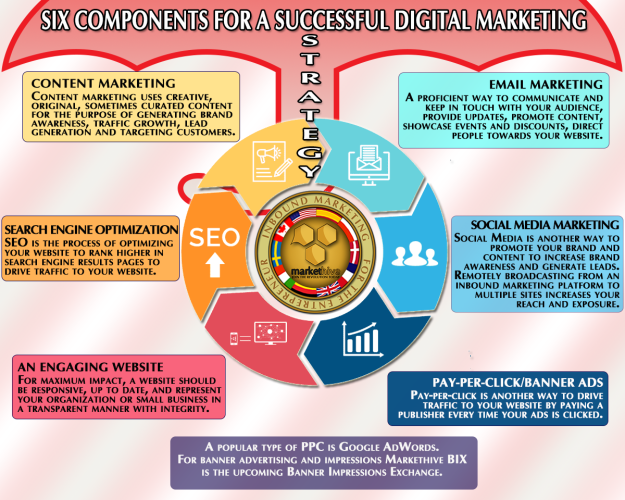
Digital marketing is an umbrella term for promoting and selling services or products using online strategies, as outlined in this article, which benefits all types of businesses and allows companies to; 

  • Reach their target audience: Connect with customers wherever they are online.
  • Observe online behavior: Utilize data to gain insight into customer interactions and behaviors.
  • Optimize marketing messages: By employing analytics to tailor communications effectively.

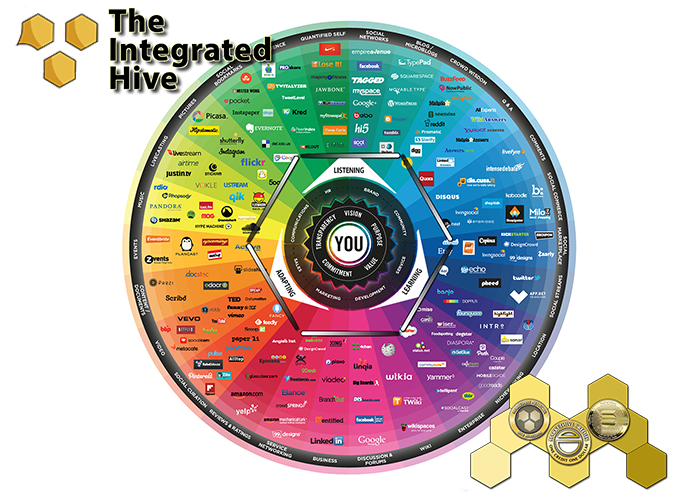
These digital marketing elements, highlighted in the infographic, help reach and engage customers, ultimately encouraging them to make purchases. The benefits include increasing brand awareness, generating leads, converting new customers, building trust, and driving sales growth.

For marketers, connecting with consumers and potential buyers at the right place and at the right time has always been paramount. Today, and for the foreseeable future, that place is the internet. While often called 'online marketing,' 'internet marketing,' or 'web marketing,' the term 'digital marketing' has become increasingly popular. This field is ever-evolving, with new technologies making it faster and easier, particularly for small businesses and marketers. 

But how and when did it all begin? Let's journey back to explore the history and timeline of digital marketing and social media, highlighting the more prominent platforms and some of the key technological milestones that have shaped the field.

Digital Marketing: Three Decades of Evolution

Coined in 1990, the term “digital marketing” is viewed as a key part of overall technological progress. The early history of digital marketing dates back to a significant moment in 1971, when Raymond Tomlinson, a pioneering computer programmer from New York, USA, developed and launched the first email program. This groundbreaking feat occurred on the ARPANET system, a precursor to the modern internet, underscoring its significance as a foundational event that preceded the widespread public adoption of the World Wide Web. 

Tomlinson's innovation laid the groundwork for a new era of electronic communication, inadvertently creating one of the earliest and most enduring channels for digital outreach and engagement. His work not only revolutionized how information could be exchanged but also set the stage for the evolution of digital marketing strategies that would leverage email as a powerful tool for communication, promotion, and relationship building.

The Birth of Web 1.0: 1990

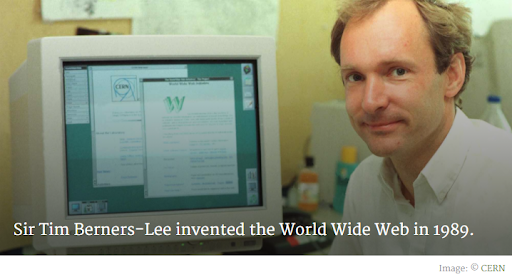
The 1990s marked a new era with the creation of the term "digital marketing," a concept that quickly transformed commerce and communication. This pivotal decade also brought significant technological progress, particularly with the work of Tim Berners-Lee. After establishing the foundation with the invention of the World Wide Web in 1989, Berners-Lee further changed connectivity in 1990 by creating the very first web client and server.

This early stage of the internet, often referred to as Web 1.0, primarily focused on reading. Users mainly viewed the web as a vast digital library where they could search for and passively consume information. Interaction was mostly one-way, with few opportunities for user-generated content or active participation. Websites served as static data stores, offering a new way to access information, but lacked the collaborative and interactive features that would later develop. Although limited in interactivity, this foundation was essential in building the infrastructure and initial user base that laid the groundwork for today’s rich, participatory digital experiences.

The Clickable Banner Ad Emerged in 1993

The year 1993 was a key moment in the early commercialization of the Internet. That year, the Global Network Navigator (GNN), an early online info service and web portal, made history by launching the first clickable paid ad on the growing World Wide Web. This innovative ad, sold to a Silicon Valley law firm, marked a shift from the internet's previous focus on academics and research. It showcased the vast potential for businesses to use this new digital space for commercial purposes, paving the way for the multi-billion-dollar online advertising industry we see today.

Just a year later, in October 1994, the online advertising landscape further evolved with the pioneering efforts of HotWired, the online arm of Wired magazine. HotWired introduced the groundbreaking concept of rotating banner ads. These graphical ads, strategically placed on web pages, automatically cycled through different creative designs, giving advertisers more exposure and the ability to test various messages. This innovation marked a crucial step toward dynamic and interactive advertising formats, moving beyond static placements.
 
Despite the success of online advertising, user sentiment remains a challenge. Intrusive formats, such as pop-up ads, which have been disliked since the internet's early days, led to the development of blockers and a desire for less intrusive experiences. Yet, most websites rely on advertising revenue, creating ongoing tension between monetization needs and user preference for an ad-free or minimally intrusive experience. This dynamic continually shapes the evolution of online advertising.

Worldwide spending on banner ads is projected to reach US$185.44 billion in 2025, according to Statista. This figure is expected to grow at an annual rate of 5.23%, reaching a market volume of US$227.40 billion by 2029.

While these ads can be a source of annoyance for some users, they play a crucial role in funding many digital publishers. This funding, in turn, helps maintain the predominantly free nature of various online platforms for users. Thirty-two years ago, banner ads were considered cutting-edge and marked the inception of the Internet advertising industry.


The first banner by HotWired. Initially, AT&T paid $30,000 for a three-month dedicated banner placement on Hotwired, which achieved an impressive 44% click-through rate. In that era, web analytics were rudimentary, involving manual click counting and a highlighter pen as the primary tool.

1994 – Yahoo's World Wide Web Debut

Initially called 'Jerry's Guide to the World Wide Web,' Yahoo, founded by Jerry Yang, launched and garnered nearly a million hits in its first year. Its original product, the human-edited Yahoo Directory, served as a guide for users navigating the internet. This marked a significant shift in digital marketing, prompting companies to optimize their websites for improved search engine rankings.

Yahoo continued to evolve, and in 2000, in what they believed was a strategic move in search history, they partnered with Google. This collaboration enabled Google to power Yahoo's organic search results, with "Powered By Google" appearing on every Yahoo search result. Unbeknownst to Yahoo at the time, this partnership introduced their most significant competitor to the world, making Google a household name.

Additionally, in 1994, the development of online communication reached a significant milestone when Justin Hall, then a student at Swarthmore College, launched what he called a "weblog." This innovative platform served as a personal online diary, a space where Hall could share his thoughts, experiences, and links to other interesting parts of the growing World Wide Web. Its original format was a chronological record of his online activity and musings, laying the groundwork for what would become a widespread phenomenon.

The term "weblog" was originally a descriptive word, emphasizing its role as a log of web activity. However, in 1999, Peter Merholz cleverly shortened it to "blog." This linguistic simplification undoubtedly contributed to its increased popularity and widespread use in everyday culture.

1996 – Alexa Internet Launches

Founded in April 1996 by Brewster Kahle and Bruce Gilliat, Alexa Internet initially operated as an independent web analytics company. Alexa Internet's most notable contribution was the Alexa Traffic Rank. This metric offered a widely accepted and frequently cited estimate of a website's popularity. The ranking system was based on a combination of factors, including the number of unique visitors and page views over a specific period. Data was collected from a global panel of users who had installed the Alexa toolbar or other extensions. A lower Alexa Rank indicated a more popular website, with the top-ranked sites being the most visited worldwide. 

In 1999, recognizing the strategic value of its data and technology, Amazon acquired Alexa Internet. This acquisition integrated Alexa's analytical capabilities into Amazon's growing suite of services, further solidifying its position in the e-commerce and internet services landscape.

On December 8, 2021, Amazon announced it would discontinue its website ranking and competitive analysis service, which had been available to the public for over 25 years. After that date, users could no longer create accounts or buy subscriptions, and the service officially ended on May 1, 2022. The Alexa.com domain now serves as a landing page for Amazon Alexa products.

Additionally, in 1996, the term "content marketing" was introduced during a discussion among journalists and members of the American Society for Newspaper Editors. This marked a pivotal shift in online promotion, highlighting that traditional advertising alone was insufficient. Companies need to deliver valuable, relevant, and consistent content to engage a knowledgeable online audience. This concept focused on creating and sharing engaging materials, such as articles, blogs, videos, and infographics, to attract and retain a specific target audience, ultimately encouraging profitable customer actions and shifting online marketing toward a more consumer-centric strategy.

1998 – Google's Incorporation

Google's origins date to 1996 when Stanford Ph.D. students Larry Page and Sergey Brin began a project to improve web analysis beyond keyword-based search engines. They created PageRank, an innovative algorithm that ranks websites based on the number and quality of links, giving more importance to links from reputable sites.

Their emerging search engine, called initially "Backrub," directly reflected this core approach. The name was a nod to its unique method of "backrubbing" or examining backlinks to measure a site's importance and influence within the vast web. This early stage involved intense research and development, establishing the fundamental principles that would become the foundation of a global information powerhouse.

Their work's transformative potential rapidly attracted attention and funding, enabling the shift from an academic project to a formal business. In September 1998, Google Inc. was officially founded and started operations from a small garage in Menlo Park, California. This was a key milestone, as their innovative PageRank algorithm and focus on users began to revolutionize the emerging search engine industry. 

The year 1998 was a pivotal time for the growing internet, as it saw the launch of competing search engines from major tech companies: Microsoft introduced MSN Search, and Yahoo rolled out Yahoo Web Search, both vying for dominance in the rapidly expanding digital world. Despite these early rivals, Google's unique technology and user-friendly interface quickly distinguished it, leading to its rapid rise as the world's top search engine.

Veretekk launched in 1998, pioneering Automated Marketing and Social Networking.

As the competitive landscape among businesses grew increasingly intense, marketers faced a significant challenge: how to connect with potential customers in a way that was both efficient and effective, giving their business a vital edge. This growing need for a smoother, more powerful way to engage customers opened the door to an innovative technological breakthrough: marketing automation.

In 1994, Thomas Prendergast developed the first generation of the automated marketing system, laying the foundation for Wavefour and later evolving into Markethive. Their original proprietary technology was pioneering, introducing concepts that were years ahead of their time. Innovations like "automated emails," branded as Veremail, and advanced capture pages such as Blastomatic, Daily Messages, and Vacations4free enabled businesses to connect with potential customers in a proactive and automated way. 

Even preceding the emergence of internet giants like Yahoo, Google, and Facebook, the company envisioned and built a centralized, member-secured social network. This groundbreaking platform, known as Inetekk, was a testament to their foresight. Inetekk offered a comprehensive suite of integrated tools, a genuinely innovative and value-driven concept, 32 years ago. This early iteration of a social network, coupled with its integrated marketing tools, showcased a commitment to providing a holistic solution for entrepreneurs, anticipating the interconnected digital landscape that would eventually define the 21st century.

Launching in 1998, this system attracted new customers. It was privately labeled for hundreds of companies and built a verifiable database that numbered in the hundreds of millions. It evolved into a service called Veretekk, a standalone Application Service Provider, and led the way in several areas, including a self-replicating website, a self-replicating PDF (designed for printing, signing, faxing, or mailing receipts), the first read-write server database, the first autoresponder email system, lead capture, and traffic portals, the first remote broadcasting system, and Internet Marketing training that ran for nearly 20 years. 

All these features combined to create the first comprehensive Automated Marketing system. This represented a significant advance over traditional outbound marketing methods, enabling a more targeted and efficient approach to generating leads and nurturing customers.

Many automated marketing platforms emerged from 2003 onwards, including Eloqua and Salesforce. Subsequently, in 2006, Hubspot and Marketo also appeared. This period marked the rise of Software as a Service (SaaS).

The emergence of automated marketing led to the coining of "Inbound Marketing." This approach emphasizes content marketing, which has been shown to build credibility and integrity for organizations, establishing them as trusted sources.

Veretekk underwent a complete transformation, now rebuilt with Blockchain technology and cryptocurrency. This new iteration, Markethive, integrates an inbound marketing platform, a social network, and a digital media broadcasting platform. It is recognized as the pioneering next-generation Market Network built on Blockchain.

2000 – AdWords Launched by Google

Google, a nascent but rapidly expanding internet giant, made a pivotal move in its commercial strategy by introducing the AdWords program. This innovative platform initially provided advertisers with the convenience of having their advertising campaigns meticulously managed directly by Google’s team of experts. This hands-on approach ensured that businesses, regardless of their online marketing expertise, could effectively leverage Google’s vast search engine reach to promote their products and services.

In March 2003, Google introduced its AdSense program, initially known as content targeting advertising. This program enables website publishers to display text, images, videos, or interactive media advertisements on their content sites. These ads are tailored to the site's content and audience, and they are managed, organized, and maintained by Google. Publishers earn revenue based on either a per-click or per-impression model. Currently, more than 44 million websites utilize AdSense.

2002 – LinkedIn Is Launched

Founded in December 2002 by Reid Hoffman, Allen Blue, Konstantin Guericke, Eric Ly, and Jean-Luc Vaillant, LinkedIn is the first business-focused social networking platform. Its primary function is to facilitate professional networking, enabling individuals to connect with colleagues, industry peers, and potential mentors. In addition to individual networking, LinkedIn is a key resource for the recruitment industry. Companies heavily use the platform to post job openings, reaching a large and highly targeted audience of professionals. 

By 2015, LinkedIn's business model had matured, with the majority of its revenue coming from premium services, particularly for recruiters and sales professionals, which generated substantial income. In December 2016, Microsoft acquired LinkedIn for $26.2 billion. Since then, LinkedIn has operated as a wholly owned subsidiary of Microsoft, integrating its professional networking features with Microsoft's broader suite of enterprise software and services. 

2003 – Myspace's Debut

Myspace, an American social networking service, was co-founded by Tom Anderson in August 2003 along with Chris DeWolfe and Jon Hart. It became a dominant player in the digital world during the mid-2000s and was the largest social networking site worldwide from 2005 to 2009, with over 100 million unique users each month. Its rapid rise peaked in June 2006 when Myspace overtook major internet giants like Yahoo and Google, becoming the most visited website in the United States.

Myspace's impact went beyond simple user counts; it deeply affected technology, pop culture, and the music scene. As the first social network to reach a truly global audience, it established essential foundations for the growth of online communities. Additionally, Myspace made significant contributions to the early development of other digital giants, particularly YouTube, by providing a platform for sharing and discovering content. Yet, the social media landscape was constantly changing. In April 2008, Facebook challenged and eventually overtook Myspace, surpassing it in unique visitors and marking a major shift in online social networking.

2003 – The Genesis Of WordPress

WordPress, a well-known name in content management systems (CMS), traces its roots to a project called b2/cafelog, often simply known as b2 or cafelog. This basic platform was the collaborative creation of Matt Mullenweg and Mike Little. Their joint effort resulted in a system that quickly gained popularity, with about 2,000 blogs running on b2/cafelog by May 2003.

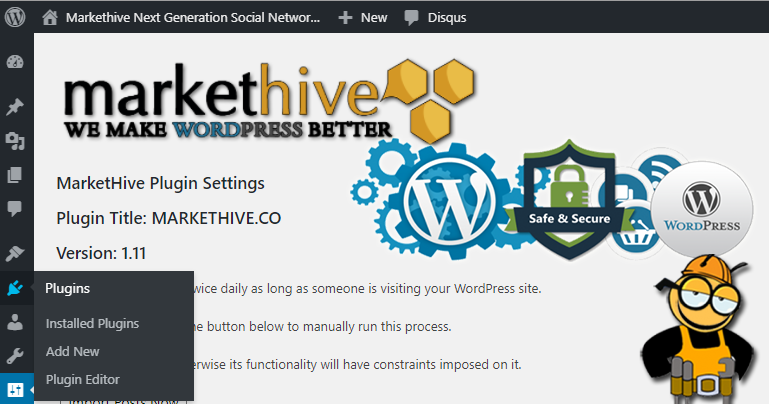
Originally designed as a simple blog-publishing platform, WordPress has significantly evolved and now far exceeds its initial purpose. It supports a wide range of web content, from basic blogs to complex websites, e-commerce stores, portfolios, and more. A key reason for its widespread use and flexibility is its extensive plugin system, a feature used by Markethive. These plugins, developed by a global community, enable users to add numerous features, including SEO tools and social media integration, thereby significantly enhancing their online reach and engagement. 

The growth of WordPress has been exponential, and its impact on the open-source community has been substantial. By October 2009, it had established itself as the leading open-source content management system, boasting the strongest brand presence and demonstrating its reliability, flexibility, and an active community supporting its development. This strong brand recognition continued to fuel its growth. By June 2019, WordPress had solidified its dominance, powering over 60 million websites worldwide. Today, WordPress powers 43.6% of all websites, holding a 62.1% share of the CMS market. As of 2025, WordPress supports 861 million sites.

2004 – Web 2.0 and Facebook Emerge

Darcy DiNucci first introduced the idea of Web 2.0 in 1999, predicting its impact on public relations. However, the term gained widespread recognition in 2004, primarily thanks to Tim O'Reilly and Dale Dougherty at the O'Reilly Media Web Conference. This shift marked a move from the static, one-way Web 1.0 to a more dynamic, interactive, and user-centered Web 2.0, emphasizing user-generated content, collaboration, and social networking. 

In 2004, another pivotal moment happened in the digital world: Mark Zuckerberg launched "TheFacebook." Created as a private online directory and social platform for Harvard students, its rapid success and increasing popularity quickly led to expansion to other elite US colleges. This initial version provided students with a digital space to connect, share information, and build communities, laying the groundwork for a global phenomenon.

The following years saw rapid growth for this emerging platform. In 2005, a strategic rebranding changed "TheFacebook" to simply Facebook, dropping its definite article and reflecting a broader, more inclusive vision. This simplification of its name coincided with ongoing growth and feature upgrades, making it an increasingly appealing platform for social interaction. By 2006, a key milestone was reached when Facebook opened to the general public, expanding beyond its college roots to serve a global audience. 

This key decision sparked a wave of growth, pushing Facebook into an unprecedented phase of worldwide popularity and turning it into one of the most dominant and influential social media platforms globally. Its widespread adoption fundamentally changed how people communicate, share information, and connect on a large scale, embodying the core concepts of the interactive and social web envisioned by Web 2.0 advocates.    
    

YouTube Emerged in 2005

The origin of YouTube, a platform that would transform online video, is a fascinating story rooted in a cultural moment: Janet Jackson's famous wardrobe malfunction during the 2004 Super Bowl halftime show. This surprising incident, which caught the attention of audiences worldwide, unintentionally sparked the idea for a new type of online video-sharing service. Former PayPal employees Steve Chen, Chad Hurley, and Jawed Karim, noticing the public's difficulty in finding and sharing clips of the event online, identified a major gap in the digital world. This realization laid the foundation for what would become YouTube.

The platform's first video, 'Me at the Zoo,' uploaded by co-founder Jawed Karim on April 23, 2005, shows him at the San Diego Zoo commenting on elephants' trunks. It marked a key milestone in online media. A beta launched in May 2005, leading to YouTube's official launch on December 15, 2005, reaching a global audience. Initially, YouTube faced competition from Vimeo, which was launched earlier in 2004, focusing on higher-quality content and a curated community. Vimeo gained recognition in some circles. However, YouTube's user-friendly design, broad appeal, and ease of uploading quickly led to its success.

In 2006, Google bought YouTube for $1.65 billion in stock, recognizing its vast potential. The acquisition made YouTube a major digital player and fueled its growth. Now, with over 2.7 billion users worldwide, YouTube is an extensive platform for entertainment, education, news, and social sharing, transforming global video consumption.

2006 – Twitter Launch and Growth in Search Engine Traffic

Conceived in 2006 by a visionary team including Jack Dorsey, Noah Glass, Biz Stone, and Evan Williams, Twitter emerged as a revolutionary platform. Dorsey initially envisioned it as a continuous stream of "short bursts of inconsequential information" similar to "chirps from birds." This core idea immediately set Twitter apart from its peers, positioning it more as a dynamic microblogging platform and real-time information network rather than a traditional social media site. Its unique design enabled the quick sharing of concise updates, allowing users to exchange thoughts, news, and observations instantly, effectively fostering a global conversation.

What further distinguishes Twitter, and indeed contributes to its enduring appeal and commercial viability, is its remarkable user engagement with advertising. Counterintuitively, for a platform often characterized by its rapid-fire content and user-generated discussions, statistical analyses consistently show that Twitter users interact with advertisements at a rate 26% higher than users on other prominent social media platforms. 

In 2022, Elon Musk purchased Twitter for $44 billion. He rebranded the platform as X in 2023, officially changing the name in July. Furthermore, the website's domain shifted from twitter.com to x.com in May 2024. Statistics also show that 55% of American users still refer to the platform as Twitter rather than X, while 70% of UK users continue to use the name Twitter.

Additionally, in March 2006, digital marketing emerged as a vital business strategy, driven by 6.4 billion search engine visits that month, marking a shift in consumer behavior toward online information. This period saw improvements in SEO, the rise of content marketing, and the growth of PPC advertising, especially Google AdWords, for targeted campaigns. 

The broadband expansion enabled video marketing and more advanced website design while emerging social media platforms began offering new ways to connect. The integration of analytics provided essential insights for refining campaigns. Overall, March 2006 marked a significant milestone for digital marketing, laying the foundation for today's complex digital landscape. Microsoft also launched Live Search to compete with Yahoo and Google.

2010 – Instagram Launches

Created by Kevin Systrom and Mike Krieger in 2010, Instagram is a social media platform that specializes in sharing photos and videos. It quickly gained popularity after its launch and was acquired by Facebook in 2012. From 2013 to 2024, Instagram experienced significant growth, increasing from 110 million to 2.4 billion users. However, in 2024, the platform saw a slight decline of 4 million users compared to the previous year.

Despite its influence, Instagram faces criticism for its frequent policy and interface changes, algorithm updates that affect content visibility, and censorship impacting marginalized communities, political discussions, and artistic expression, leading to allegations of bias and opacity. Additionally, problems with illegal content, such as hate speech, harassment, explicit images, and misinformation, raise safety concerns, especially for minors.

With over 2 billion monthly active users, Instagram users spend an average of 33 minutes per day on the platform in 2025, with 62.7% actively following or researching brands, underscoring its significance for marketing and brand visibility.

The year 2010 also marked a pivotal moment, signaling the start of an era of unprecedented growth and change in the digital marketing industry. This period was defined by a rapid increase in digital media use and engagement, fundamentally changing how businesses connected with their audiences. 

The massive amount of online engagement resulted in an incredible rise in advertising impressions, with approximately 4.5 trillion online ads delivered annually across various digital platforms. This enormous reach highlighted the growing influence of the internet as a marketing tool. 

As a result, businesses quickly shifted their marketing budgets to capitalize on this digital transition. Digital marketing spending saw a significant increase, jumping by an impressive 48%. This substantial investment reflected a growing recognition among companies of the vital role digital strategies would play in their future success, setting the stage for the digitally driven marketing landscape we observe today.

2012 – Saw The Launch Of Zoom 

Zoom, the widely used video conferencing app, was first released in beta on September 10, 2012. The initial version allowed up to 15 video participants in meetings. Positive feedback and quick updates led to the official launch of version 1.0 in January 2013, increasing the participant limit to 25. This early growth reflected Zoom's focus on scalability and its goal to support larger virtual meetings, paving the way for its widespread use in both work and personal contexts.

Zoom rapidly gained popularity, reaching 400,000 users in its first month and surpassing 1 million by May 2013. The COVID-19 pandemic further sped up its growth, resulting in an explosive increase of 2.22 million users in 2020. This period transformed Zoom from a popular business tool into a ubiquitous household name, fundamentally altering how individuals and organizations communicate, collaborate, and connect in a rapidly changing world. 

In March 2020, the Zoom app saw an astonishing 2.13 million downloads in a single day, and by April 2020, it boasted over 300 million daily meeting participants. However, this rapid expansion was not without its challenges. On August 24, 2020, the platform experienced a significant, several-hour-long outage that disrupted countless meetings and activities worldwide before service was eventually restored.  

That same year, Zoom faced significant controversy over its attendee tracking features, raising concerns about user privacy and data collection. Additional worries have arisen about the company's practices for sharing personal data, with critics pointing to potentially questionable methods used in handling sensitive user information. A general lack of transparency from Zoom on these critical issues has increased public scrutiny. Due to these growing concerns, users are increasingly advised to "Zoom" at their own risk, sparking a broader debate about data privacy and corporate responsibility in the digital age.

2014 – Smartphone usage increased, and Long-Form Content became Strategically Effective 

In 2014, mobile usage surged, with 4.55 billion users (70% of the global population) and 1.75 billion smartphone users. This year also marked the introduction of the Facebook Messenger app, followed shortly by the Apple Watch.

In 2014, long-form content emerged as a highly effective digital marketing strategy, shifting away from shorter formats. Several converging factors fueled this evolution. Search engine algorithms, particularly Google's, were becoming increasingly sophisticated, rewarding websites that offered comprehensive, high-quality, and authoritative content. 

Keyword stuffing was no longer enough; instead, content that genuinely answered user questions and offered in-depth information began to rank higher. This motivated marketers to create more detailed articles, guides, and whitepapers, providing value through comprehensive material, building trust, and establishing thought leadership. 

Increased broadband access and the proliferation of mobile devices also enabled consumers to engage with longer content. Consequently, marketers focused on producing extensive blog posts, e-books, and case studies, thereby solidifying the role of long-form content in nurturing leads, establishing authority, and driving organic traffic.

2015 – Markethive Arrives as The Next Generation Market Network and Genesis of Web 3.0

Markethive, a company with a rich history dating back to its earlier form as Veretekk, officially established its presence in the market in mid-2015. This period marked a crucial milestone for the organization, as it was formally trademarked and incorporated, setting the legal and structural foundation for its future growth.

After incorporation, Markethive strategically rolled out its platform. A private Beta, exclusive to foundational Veretekk members and dedicated users, refined the platform and gathered feedback, addressing issues before a wider release. This led to a full public Beta launch in January 2016, expanding reach and testing scalability for commercial release. This iterative approach ensured a polished product.

Over the course of three years, Markethive underwent a significant transformation, evolving from its initial role as a robust inbound marketing platform and social network. This deliberate development was driven by a clear and ambitious vision: to realize the concept of a decentralized, blockchain-based social market network. Created to achieve multiple aims, primarily to harness the growing influence of cryptocurrency, Markethive sought to develop a truly comprehensive and self-sustaining ecosystem. 

This environment was specifically designed to meet the diverse needs of various professionals and organizations, ranging from ambitious entrepreneurs and experienced marketers to established companies, expanding small businesses, and creative commercial artists, providing them with unparalleled tools and opportunities in the digital realm.

In 2019, Markethive introduced its inaugural cryptocurrency token, MHV, with the primary purpose of incentivizing and rewarding user engagement across its various functionalities. This token enables users to earn rewards through a diverse range of activities. The Markethive token, MHV, is a fractional representation of the native token Hivecoin (HVC), which serves as the principal transactional token within the Markethive ecosystem and is actively traded on prominent cryptocurrency exchanges.

In 2022, the Markethive wallet was introduced as a key part of the Markethive ecosystem. It serves as a versatile financial tool, offering a wide range of features. Primarily, it includes a detailed accounting system that carefully monitors all financial transactions within the platform. Additionally, it enables smooth payments and rewards distribution, ensuring that members are appropriately compensated for their involvement. The wallet is also equipped with a secure Vault and Staking system, allowing users to protect and expand their digital assets.

Fast forward to today, and Markethive has not only kept pace with technological advancements but has evolved into a sophisticated, ready-to-launch ecosystem. It stands as a powerful and comprehensive platform meticulously designed to empower modern entrepreneurs. The core of today's Markethive lies in its seamless integration of key technologies and principles: social networking, cutting-edge blockchain technology, robust security protocols, unparalleled user autonomy, absolute privacy, and a suite of advanced inbound marketing tools. 

This significant combination goes beyond the boundaries of a typical social network or simple marketing platform. It creates what is known as a "market network," a vibrant space that encourages a flexible, collaborative, and intensely engaged community among its users.
 
Operating as a decentralized, distributed environment, Markethive provides comprehensive and unwavering support for all creative and entrepreneurial endeavors. This decentralized architecture ensures greater transparency, security, and user control, aligning with the growing demand for digital freedom and ownership. 

By championing the rise of the individual entrepreneur, Markethive positions itself at the forefront of what it terms "the greatest renaissance in history." It offers a cutting-edge social environment that is not only secure and private but also intrinsically linked to the latest inbound marketing technology, web conference rooms, video channels, curation and blogging capabilities, and digital broadcasting. This unique synergy enables entrepreneurs to build, grow, and monetize their ventures with unparalleled efficiency and effectiveness, truly embodying the spirit of innovation and empowerment in the digital age.
 

Editor in Chief Markethive: Deb Williams. (Australia) I thrive on progress and champion freedom of speech.  I embrace "Change" with a passion, and my purpose in life is to enlighten people to accept and move forward with enthusiasm. Find me at my Markethive Profile Page | My Twitter Account | and my LinkedIn Profile.